

What Is Dry Eye Disease?
Dry eye affects at least 16 million Americans, yet only half are formally diagnosed. Most patients have a certain idea of what dry eye feels like (burning, grittiness, a foreign body sensation), but it can also present as tearing, fatigue, blurred or fluctuating vision, and light sensitivity. Because symptoms vary so widely, dry eye is frequently dismissed or misidentified for years before a proper evaluation takes place.
At Remagin, Dr. Deepak Raja and Dr. Keshini Parbhu approach dry eye not as a single condition but as a spectrum. Understanding what is driving the problem for each patient is what makes treatment effective.

How Your Tear Film Works
The tear film is responsible for bringing oxygen and nourishment to the ocular surface. It has three layers, each produced by a different structure.
The lipid layer, produced by the meibomian glands in the eyelids, slows evaporation and keeps the surface smooth. The aqueous layer, produced by the lacrimal gland, delivers oxygen, nutrients, and immune factors to the cornea. The mucin layer, produced by goblet cells in the conjunctiva, anchors the film to the eye and allows it to spread evenly.
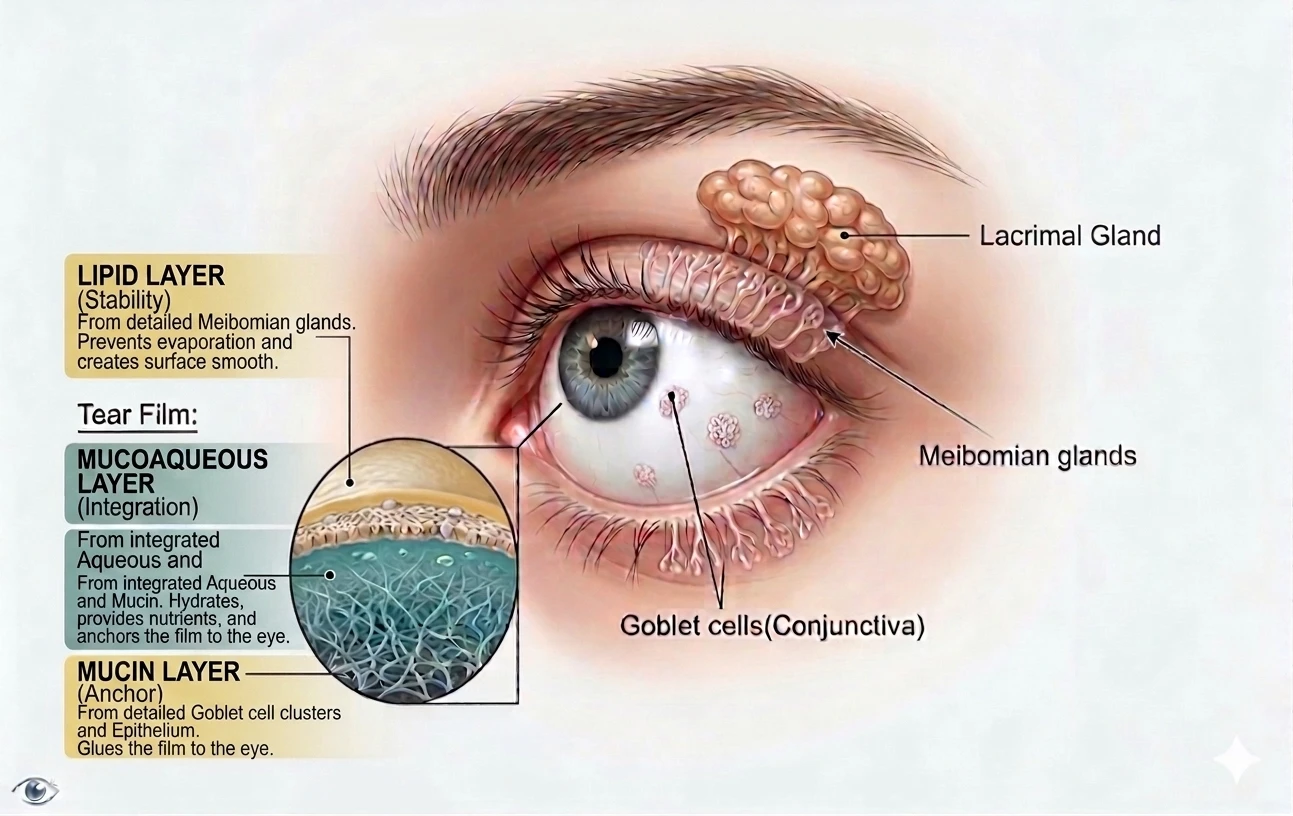
Tears form through blinking. Complete blinks spread the tear film across the eye and help express oil from the meibomian glands. Half the tears sit in the inferior fornix, acting as a reservoir; when the film starts to thin between blinks, this reservoir helps cover the surface until the next blink replenishes it.
Corneal nerves also play a critical role. They detect dryness and inflammation, signaling the body to produce more tears and blink more frequently. When these nerves are damaged, that feedback loop breaks down. As Dr. Raja puts it, “If you can't feel, you can't heal!”
Not All Dry Eye Is the Same
Dry eye is not one condition, it is a group of problems affecting how tears are produced, spread, and maintained. Many patients have more than one type.
| Type | What’s Happening | The Result |
|---|---|---|
| Aqueous Deficient | Lacrimal glands produce insufficient tears | Not enough volume to nourish the surface |
| Evaporative | Meibomian glands are blocked or oil is too thick | Tears evaporate too quickly |
| Mucin Deficient | Goblet cells not producing enough mucin | Tears don't spread evenly; dry spots form |
| Neurotrophic | Corneal nerves are damaged or reduced | Impaired feedback loop reduces tear production and surface healing |
Once the eye becomes dry, it can enter a vicious cycle of inflammation that further damages the ocular surface and worsens symptoms over time.
Mechanical Dry Eye
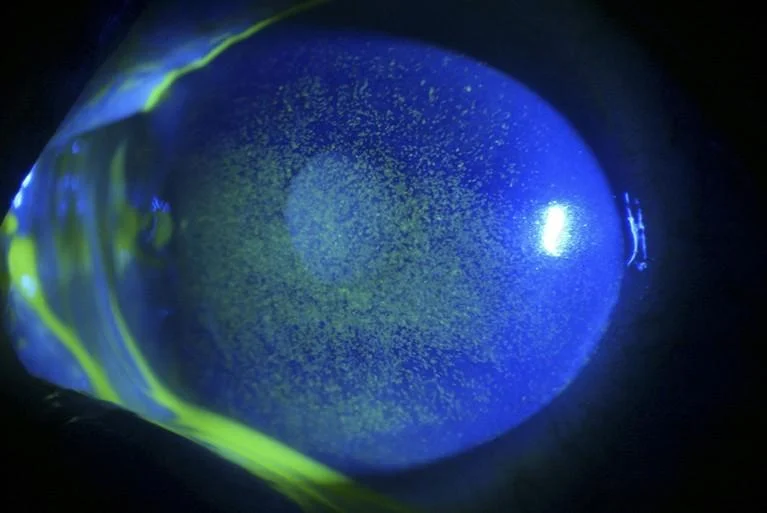
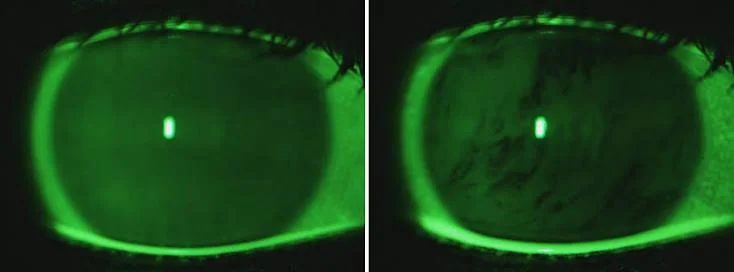
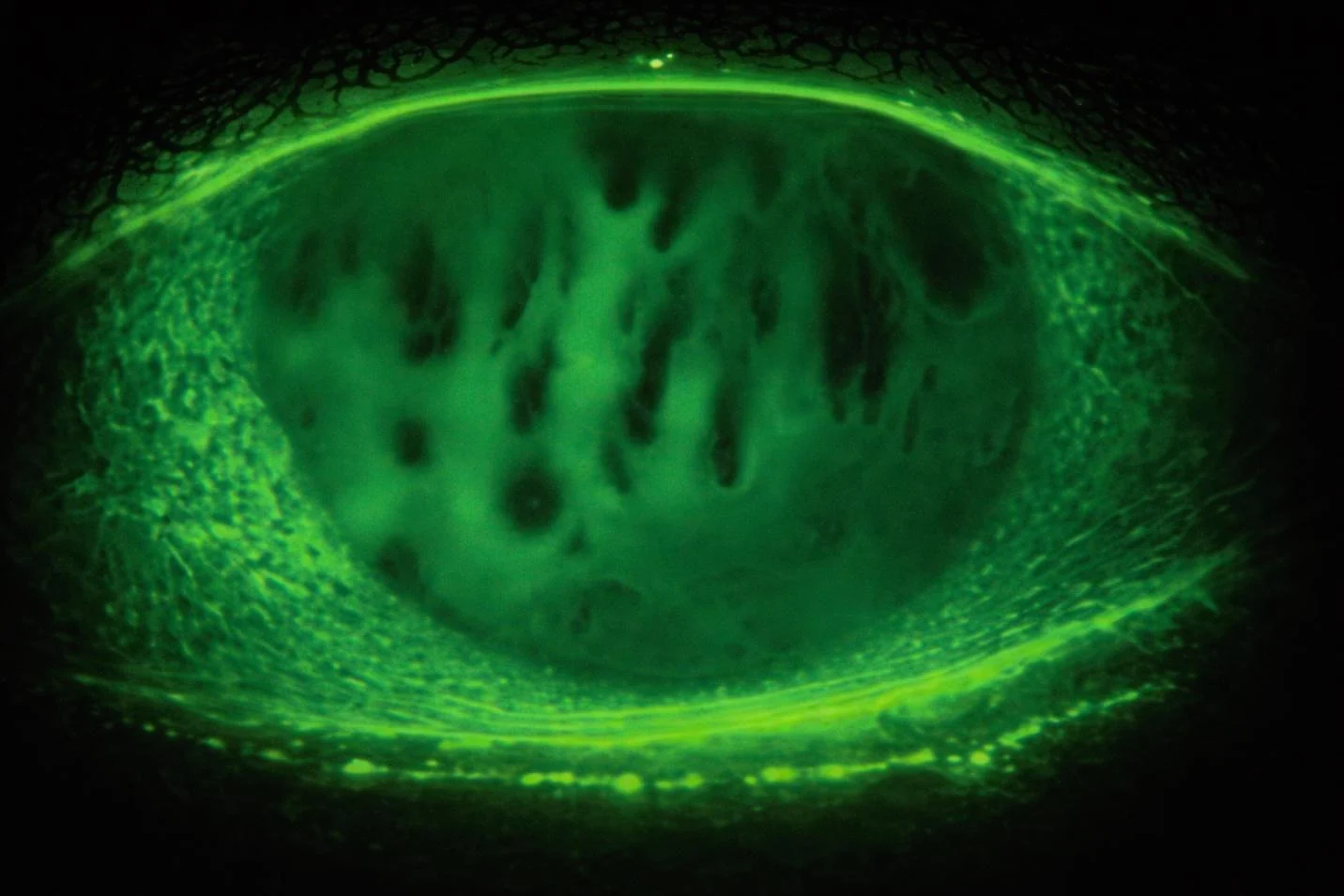
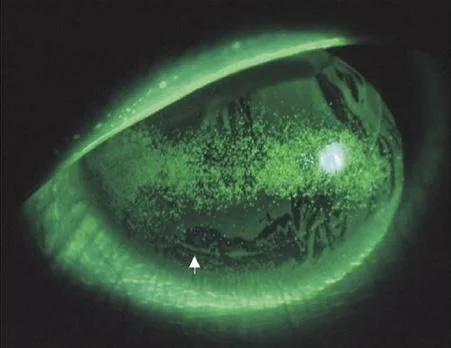
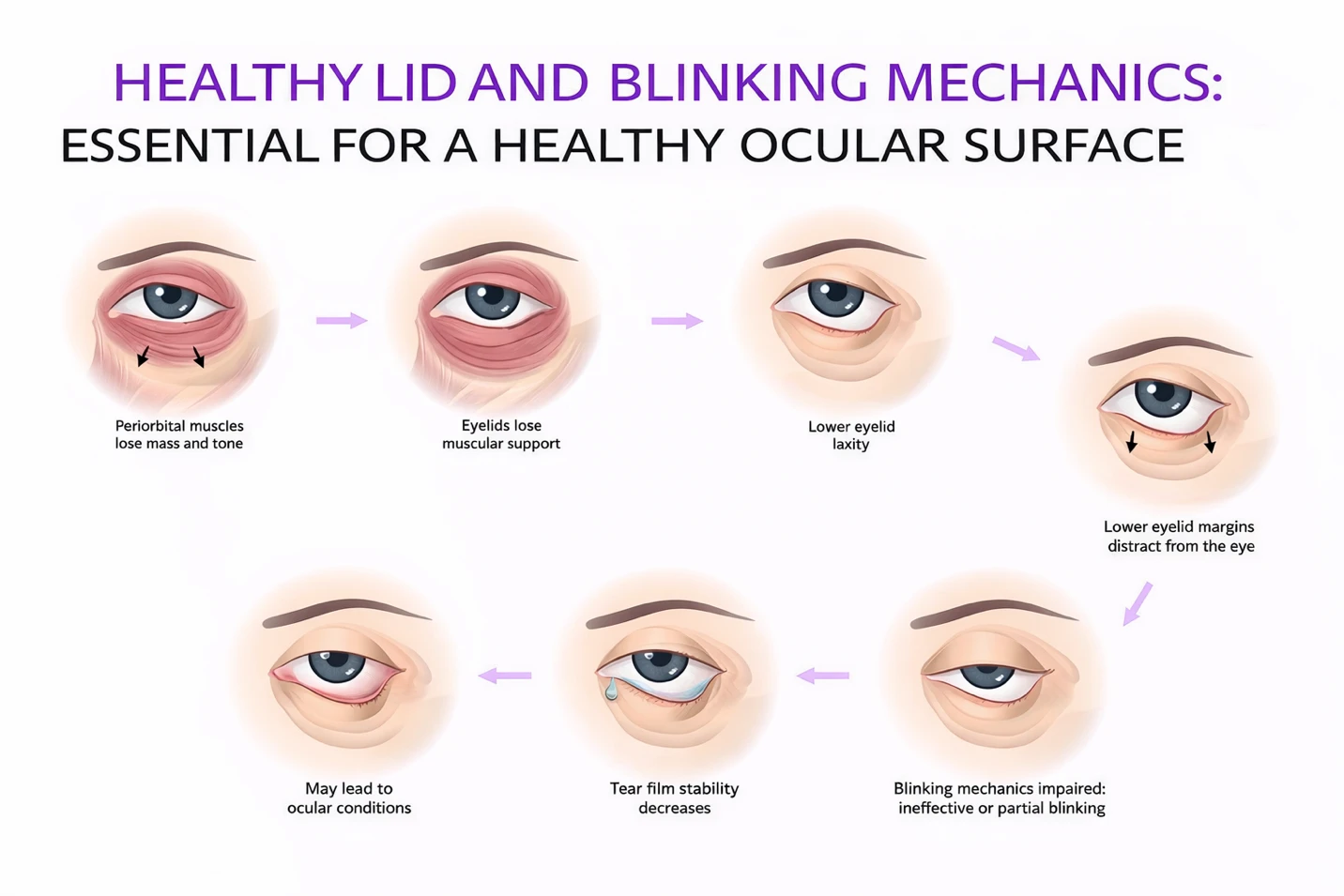
Not all dry eye comes from poor tear production. In some patients, it is mechanical: loose conjunctival tissue (conjunctivochalasis), eyelid laxity or incomplete blinking, surface irregularities like Salzmann’s nodules or pterygia, incomplete eye closure (exposure keratopathy), or foreign bodies under the eyelid can all disrupt the tear film and cause chronic irritation. Identifying which of these is at play changes the treatment approach.
Pterygium and Dry Eye
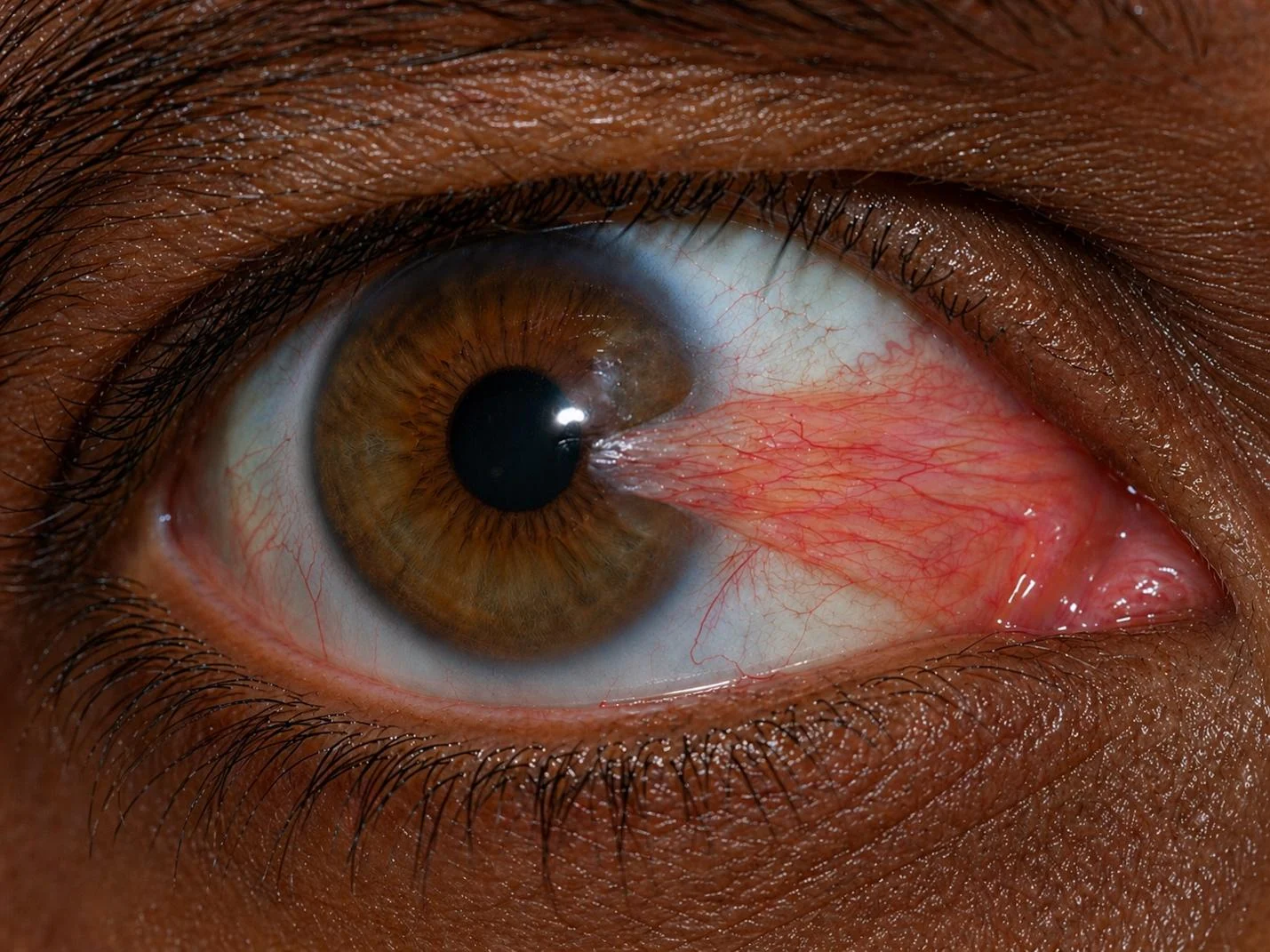
In some patients, the conjunctiva becomes inflamed and grows onto the cornea, a pterygium. These are linked to UV exposure, often starting in childhood, and are common in Central Florida.
As a pterygium grows, it can disrupt the tear film and cause blurred or distorted vision. Removal is usually recommended for growth into the visual axis, irregular astigmatism, chronic irritation unresponsive to conservative therapy, or a suspicious appearance. Cosmetic redness alone is not a covered indication, though removal can be done electively.
Diagnosis at Remagin
A careful history helps identify symptom triggers, timing, and systemic contributors. Morning symptoms often point to blepharitis, while symptoms that worsen later in the day suggest evaporative dry eye.
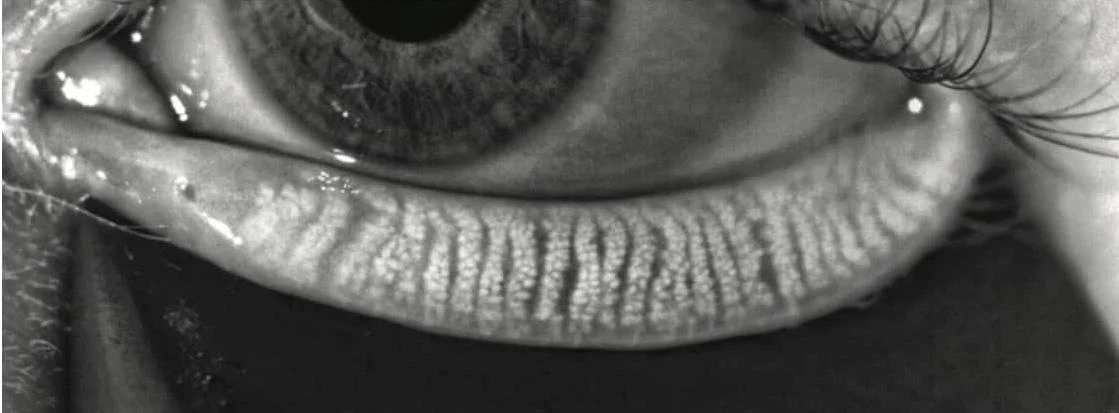
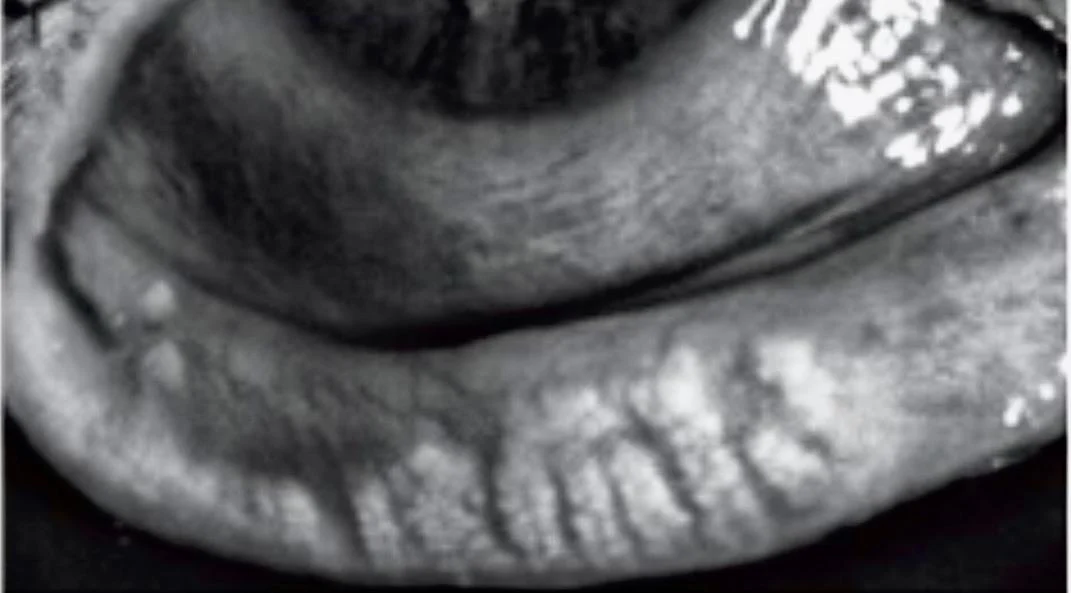
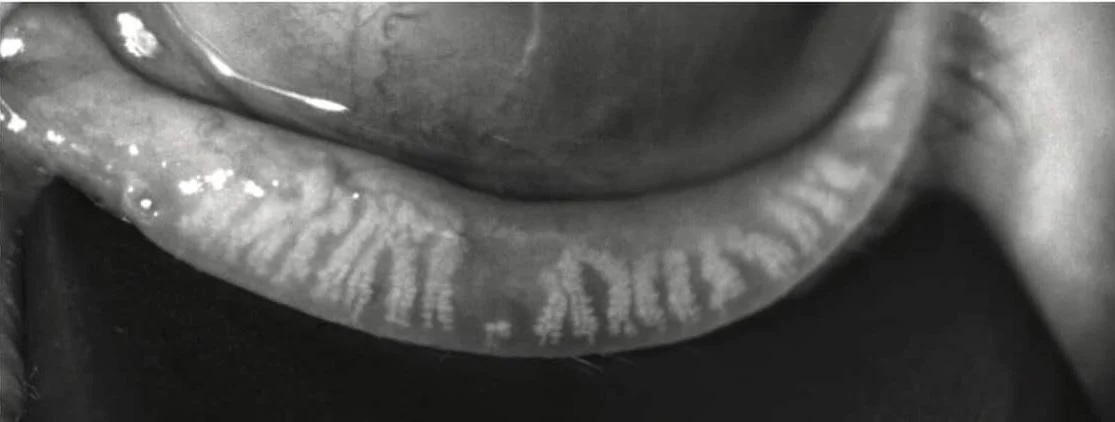
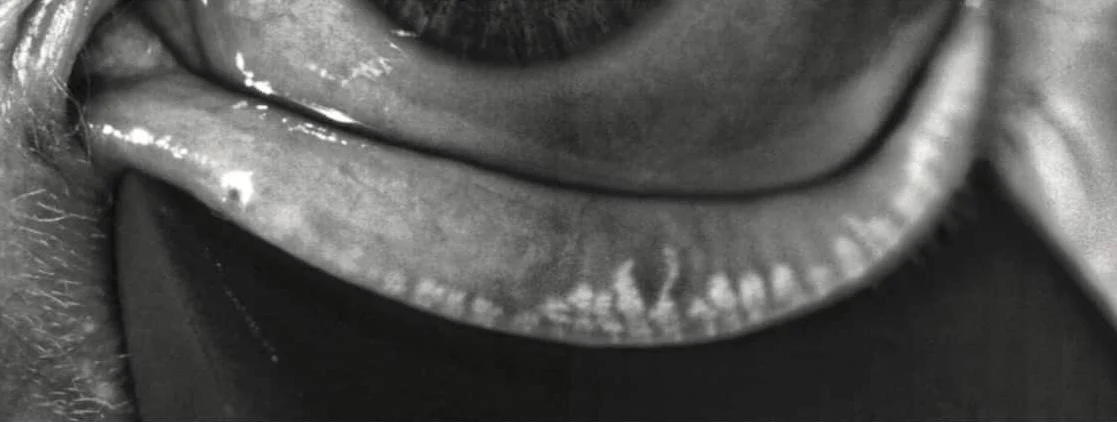
The clinical evaluation includes tear film and surface staining, meibomian gland imaging, and corneal sensation testing when neurotrophic keratopathy is suspected.
How Dry Eye Is Treated at Remagin
Treatment depends on the cause. Most patients benefit from a carefully thought-out, customized combination of therapies across one or more of the following four goals.
Improving Tear Stability
For many patients, the tear film breaks down because the oily layer is inadequate. Treatment here targets the meibomian glands directly.
Conservative Treatment
- Warm compresses at 45°C for 10 minutes daily. USB heated masks are the most practical modern solution
- Omega-3 supplements (HydroEye or PRN) to thin the thickened meibum over time
- Blink exercises for incomplete blinking related to prolonged screen use
In-office Treatment
- TearCare / OneTouch: thermal devices that heat and soften meibum for manual expression, best suited when meibography shows intact glands with sluggish secretions
- Radiofrequency (RF) heats meibum and may improve gland function through secondary lid tightening
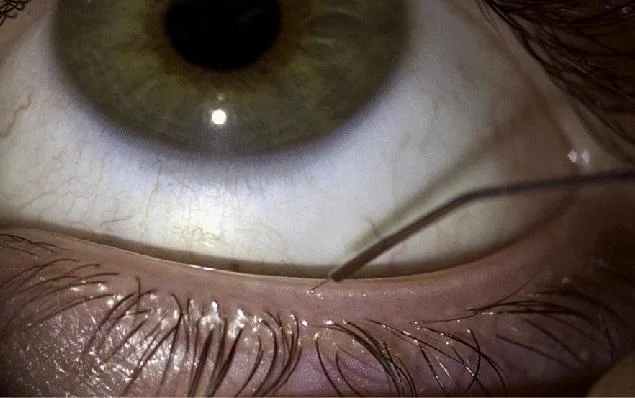
- Meibomian gland probing opens glands blocked by strictures when expression is absent and imaging shows structural damage
Calming Inflammation
Inflammation accompanies most cases of dry eye and worsens symptoms as it spreads across the ocular surface.
Conservative Treatment
- Prescription anti-inflammatory drops like Xiidra, Restasis, Cequa, or Vevye for chronic use; topical steroids for acute flare-ups
- Lid hygiene wipes to remove bacteria, demodex mites, and debris from gland openings
- Systemic treatment coordination for patients with autoimmune conditions such as Sjögren's syndrome, lupus, or rheumatoid arthritis
In-office Treatment
- Amniotic membrane (Prokera / CAM360) is placed on the eye for a few days to absorb chronic surface inflammation when drops alone are insufficient; effects can be repeated
- IPL (Intense Pulsed Light) heats meibomian glands and causes eyelid blood vessels to retract; particularly effective for ocular rosacea
- NuLids, a mechanical lid cleaning procedure for blepharitis not responding to hygiene; can be combined with tea tree oil to address demodex
Protecting and Restoring the Surface
For aqueous deficiency or a damaged surface that needs support, the goal is to supplement or retain what the eye cannot produce on its own.
Conservative Treatments
- Preservative-free artificial tears are the safest starting point for sensitive eyes
- Prescription lubrication medications like Meibo, Tryptyr, or Tyrvaya for longer-lasting tear support
In-office Treatments
- Punctal plugs: silicone plugs inserted into the eyelid drainage openings to retain tears on the surface; best placed once significant inflammation is controlled
- Autologous serum tears: prepared from the patient's own blood serum, which contains growth factors no commercial drop can replicate; compounded and dispensed on same-day at Remagin
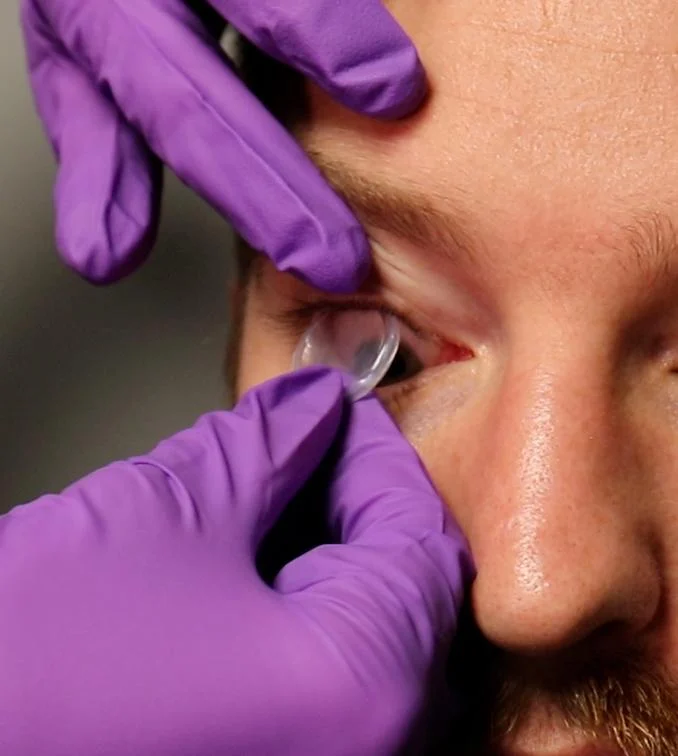
- Scleral lenses: hard lenses that maintain a tear reservoir between the lens and cornea for severe or treatment-resistant cases
Addressing Eyelid and Blink Mechanics
When dry eye is driven by how tears are distributed rather than how many are produced, mechanical treatment is what makes the difference.
In-office
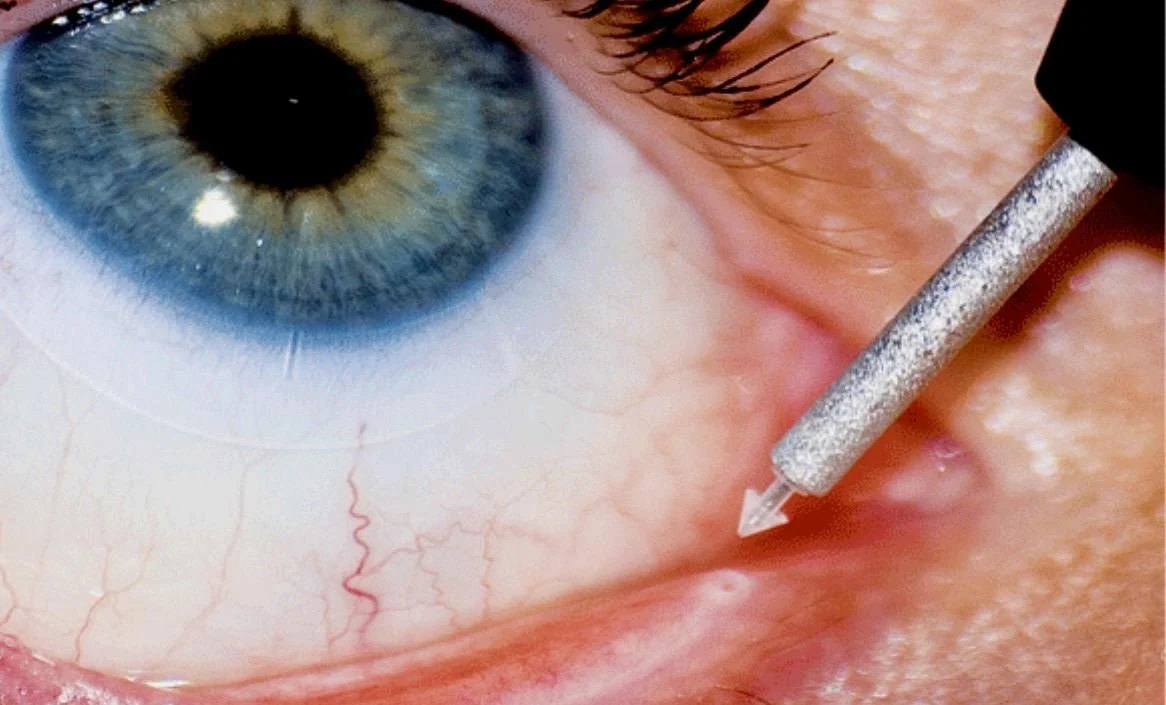
- Concretion removal: small calcifications in the upper eyelid removed at the slit-lamp; can provide immediate symptom relief
- Conjunctival cautery: excess conjunctival tissue causing conjunctivochalasis is shrunk with a simple, relatively painless procedure
- TriLift / Optilift: restores periorbital muscle function in patients with eyelid laxity or incomplete blink, particularly when other treatments have been optimized and symptoms persist
- Floppy eyelid management: lid surgery for patients with significant laxity, especially when symptoms are worse overnight
- Superficial keratectomy: removes persistent surface irregularities interfering with tear distribution

Why Dr. Raja and Dr. Parbhu for Dry Eye
Dry eye is one of the most undertreated conditions in ophthalmology, not because solutions are lacking, but because the underlying cause is so frequently misidentified. Dr. Deepak Raja and Dr. Keshini Parbhu both see dry eye patients at Remagin, and their shared approach begins with a thorough evaluation of the full ocular surface picture: tear film stability, gland health, lid mechanics, and the inflammatory factors that tie them together.
Some patients come in having used drops for years without meaningful relief. Others are only beginning to notice symptoms. In either case, the consultation is built around understanding what is actually driving the problem for that specific patient, because the right treatment for meibomian gland dysfunction looks very different from the right treatment for neurotrophic dry eye or conjunctivochalasis. The goal is not to manage symptoms indefinitely, but to address the cause and build a plan that supports lasting ocular surface health.
Schedule a Dry Eye Evaluation in West Orlando
Dry eye is common, but living with it is not something patients have to accept. Whether symptoms are mild and occasional or persistent and disruptive, the right starting point is understanding what is actually driving them.
To schedule a dry eye evaluation in West Orlando, call (407) 704-3937 or request an appointment (opens in a new tab) today.