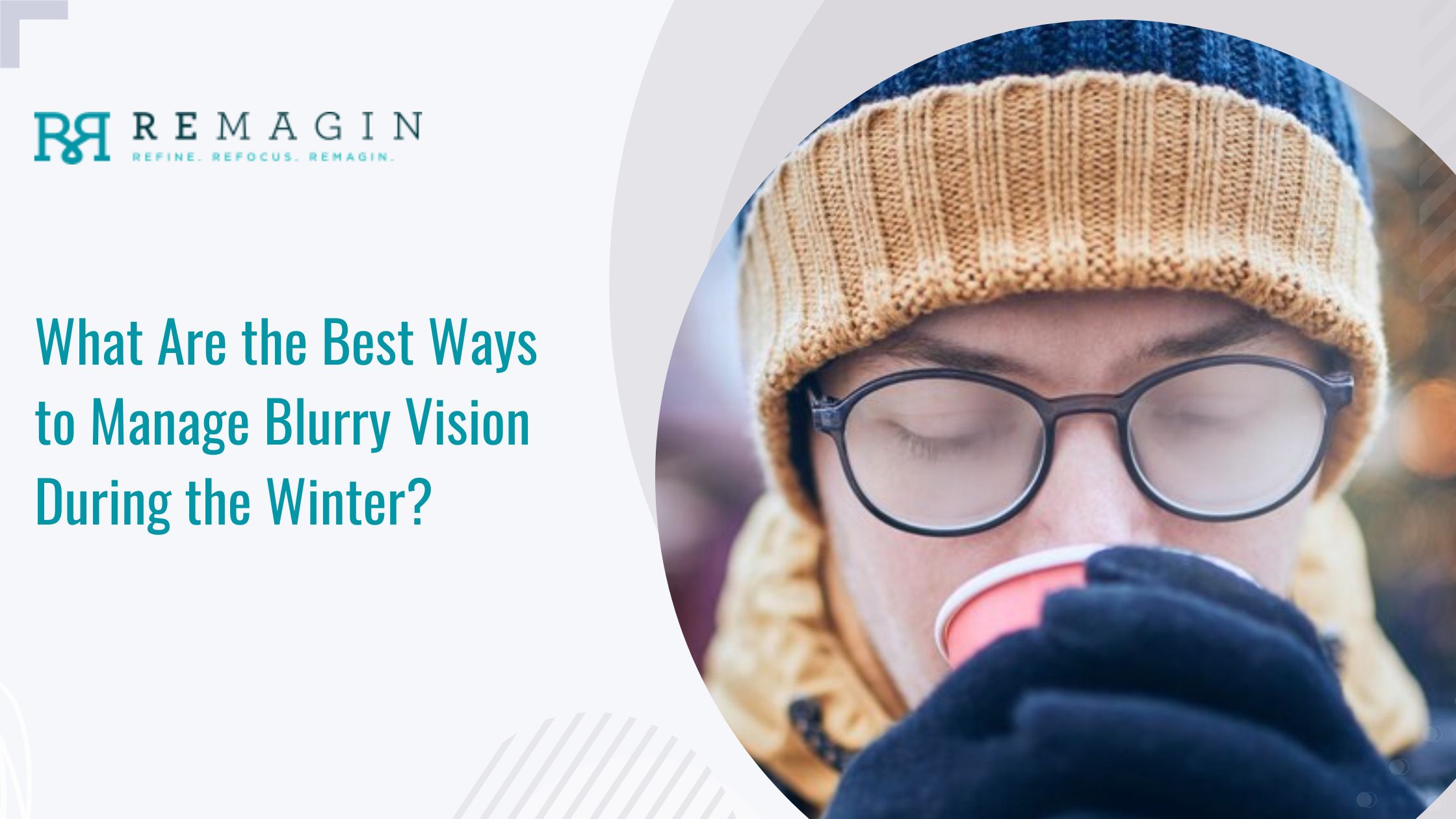



Winter can be harsh on your eyes. Cold air, indoor heating, and harsh winds all work together to dry the eyes and irritate them. For many people, that means one frustrating symptom: blurry vision during the winter.
If you notice that your vision becomes less sharp when the temperature drops, you are not alone. This blog walks through the most common causes of blurred vision in winter and explains practical treatments and habits that can protect your eyes during the colder months.
Winter changes your environment in ways that can directly affect eye comfort and clarity.
When your eyes lose moisture, they can become red, itchy, and irritated, and your vision may look smeared, hazy, or blurry.
A combination of environmental and health-related factors usually causes blurry vision in winter.
Dry eye is one of the most common causes of blurred vision in winter. Cold and dry air, along with indoor heat, makes tears evaporate more quickly. When the eye surface is not adequately lubricated, you can have:
Many people associate allergies with spring, but winter can bring its own triggers, such as dust, pet dander, and indoor molds. Allergies can cause:
Shorter days and colder weather often mean more time indoors. That usually leads to more:
Staring at screens reduces blink rate, which dries out the eyes and contributes to digital eye strain, causing:
Winter is also the peak season for colds and flu, and this can increase the risk of eye infections such as conjunctivitis (pink eye). Infections may cause:
Some vision conditions can feel worse in winter or become more noticeable when the lighting is poor, and the eyes are already strained. These can include:
If you already have an eye condition, winter dryness and strain can make blurred vision more noticeable.
The good news is that many simple eye treatments and habits can help you manage blurry vision during cold weather.
Over-the-counter lubricating eye drops (artificial tears) help:
Choose preservative-free drops if you need to use them often, and follow the instructions on the label or from your eye doctor.
Dry indoor air is a major cause of winter eye irritation.
Sunglasses are not just for summer.
This helps reduce tearing, dryness, and light sensitivity that can blur your vision.
To fight digital eye strain, follow the 20-20-20 Rule:
This simple habit encourages blinking, relaxes the eye muscles, and can reduce blurry vision related to screen use.
Nutrition supports long-term eye health. Include:
Staying well hydrated by drinking enough water also helps maintain a healthy tear film.
Annual eye exams are essential year-round, but winter is a good time to check in, especially if:
An exam can detect underlying issues early and ensure that your glasses or contact lens prescription is up to date.
Sudden blurry vision in one eye during winter is not something to ignore.
Sudden vision changes may signal serious issues such as:
These conditions are medical emergencies and need prompt evaluation.
Seek immediate medical or emergency care if:
Sometimes, simple home measures are not enough, and you may need professional eye treatment.
Your eye doctor may recommend:
These treatments can directly target the cause of blurred vision rather than just masking symptoms.
Healthy habits also support clearer vision:
Simple daily choices can improve comfort and reduce winter-related eye problems.
Blurry vision during winter is shared and often linked to dry air, extra screen time, allergies, infections, or existing eye conditions. Understanding the causes of blurred vision makes it easier to choose the right treatments, such as artificial tears, humidifiers, sunglasses, better screen habits, and a healthy diet. The key is to listen to your eyes. If blurry vision is frequent, painful, or suddenly worse in one eye, it is essential to see an eye care professional. Early evaluation can prevent more serious problems and help protect your vision throughout the year.
At Remagin, our team carefully evaluates your symptoms, lifestyle, and overall eye health to recommend the most appropriate treatment plan. If you are struggling with blurry vision this winter, do not ignore it. Contact us today to get a personalized plan to keep your vision as clear and comfortable as possible.
Cold weather alone usually does not cause permanent vision loss, but dryness, infections, and uncontrolled eye conditions can lead to long-term damage if left untreated. Proper care and regular eye exams help prevent complications.
Contacts can make dry eye symptoms worse in winter by reducing oxygen and tear flow to the eye. Using lubricating drops approved for contact lens wear and following your eye doctor’s instructions can help.
Stress and poor sleep can increase eye strain, headaches, and difficulty focusing, which may make blurry vision more noticeable, especially when combined with winter dryness and increased screen time.
Yes. An outdated or incorrect prescription can cause eye strain, headaches, and blurred vision. Glare from snow and bright winter sun can also worsen discomfort if your lenses lack proper anti-glare or UV protection.
Shifts in barometric pressure may contribute to headaches or sinus pressure in some people, which, in turn, can affect how comfortable your eyes feel. If you notice frequent vision changes with weather shifts, talk with your eye doctor to rule out other causes.