

Expert Evaluation and Treatment for Eyelid Growths and Lesions
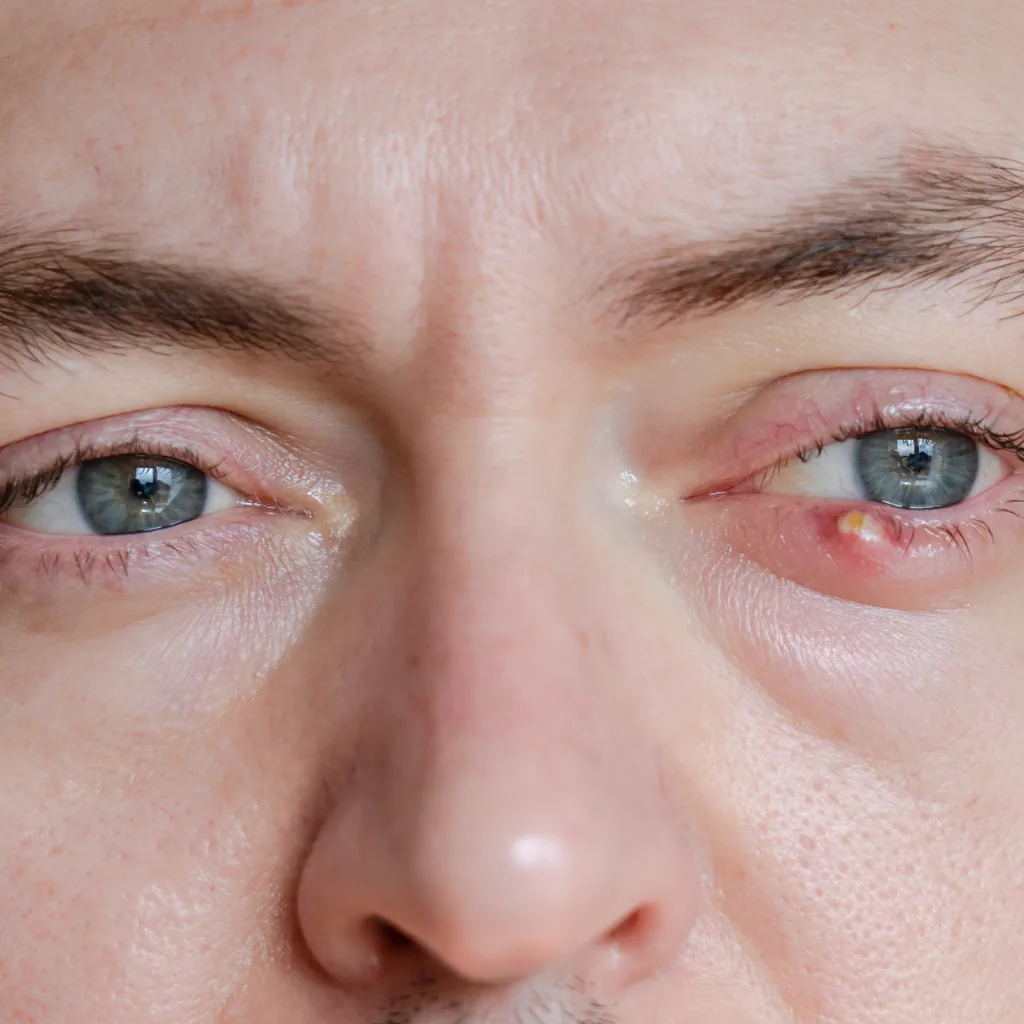
Discovering a lump or bump on your eyelid can be concerning, especially if it has changed in size, become uncomfortable, or doesn't seem to go away. While many eyelid growths are harmless, others may require treatment or further evaluation to determine their cause.
At Remagin, Dr. Keshini Parbhu provides comprehensive evaluation and treatment for a wide range of eyelid lesions, from common styes and chalazia to cysts, skin tags, and lesions that may require biopsy. Every treatment plan is tailored to your diagnosis, symptoms, and overall eye health, with the goal of preserving both eyelid function and appearance.
What Causes Eyelid Lumps and Bumps?
There are many different types of growths that can develop on the eyelids. Some are caused by blocked meibomian glands or inflammation, while others develop from changes in the skin or surrounding tissues. Because many conditions can look similar, it's important to have any persistent or changing eyelid lesion evaluated by a specialist.
During your examination, Dr. Parbhu carefully assesses the lesion to determine its cause and recommends the most appropriate treatment based on its appearance, location, and your symptoms.
Common Eyelid Lumps and Bumps
Chalazia and Styes
Chalazia and styes are among the most common eyelid lumps. They usually develop when one of the eyelid's oil glands becomes blocked or inflamed, resulting in a localized swelling that may be tender, red, or uncomfortable.
While many improve with conservative treatment, persistent chalazia may require a minor incision and drainage procedure. When appropriate, Dr. Parbhu can perform this procedure from the inside of the eyelid, helping avoid a visible external scar.
Cysts, Skin Tags, and Benign Eyelid Lesions
Other eyelid growths, including cysts, skin tags, papillomas, and other benign lesions, may develop over time. Although many of these growths are noncancerous, they can become bothersome, interfere with vision, or cause cosmetic concerns.
Depending on the type of lesion, treatment may involve simple removal performed in the office.
Eyelid Lesions That Require Further Evaluation
Occasionally, an eyelid lesion may have features that warrant additional testing. When appropriate, Dr. Parbhu may recommend a biopsy to establish a diagnosis. Tissue that is removed is commonly sent for pathological evaluation to determine whether additional treatment is needed.
When Could an Eyelid Lump Be Skin Cancer?
Although most eyelid lumps are benign, some lesions may represent skin cancer. The most common eyelid skin cancers include basal cell carcinoma and squamous cell carcinoma. Lesions that continue to grow, change in appearance, bleed, or fail to heal should be evaluated promptly.
If skin cancer is diagnosed, Mohs micrographic surgery is often recommended to remove the cancer while preserving as much healthy tissue as possible. Following Mohs surgery, Dr. Parbhu performs reconstructive surgery to restore the eyelid's normal function and appearance.

What to Expect During Your Consultation
Your consultation begins with a thorough examination of the eyelid and surrounding tissues. Dr. Parbhu will evaluate the size, appearance, and characteristics of the lesion while discussing your symptoms and medical history.
If treatment is recommended, she'll explain your options, whether that involves observation, in-office removal, incision and drainage, biopsy, or referral for Mohs surgery followed by reconstruction. Throughout the process, you'll receive clear guidance on what to expect before, during, and after treatment.
Why Choose Remagin for Eyelid Lesion Treatment?
Fellowship-Trained Oculoplastic Expertise:
Dr. Keshini Parbhu has advanced fellowship training through the American Society of Ophthalmic Plastic and Reconstructive Surgery (ASOPRS), providing specialized expertise in diagnosing and treating eyelid conditions.
Comprehensive Evaluation:
Every eyelid lesion is carefully examined to determine its cause before treatment is recommended.
Medical and Surgical Treatment Options:
From conservative management and incision and drainage procedures to biopsies and surgical excision, treatment is tailored to your specific condition.
Expert Care for Eyelid Skin Cancer:
When necessary, Dr. Parbhu works closely with Mohs surgeons and provides specialized reconstruction following skin cancer removal to restore eyelid function and appearance.
Compassionate, Patient-Centered Care:
We take the time to answer your questions, explain your treatment options, and provide personalized support throughout your care.
Frequently Asked Questions About Eyelid Lumps & Bumps
While many eyelid lumps are harmless, any lesion that persists, grows, changes in appearance, or causes discomfort should be evaluated by a specialist.
A stye is typically caused by an infected eyelid gland and is often painful. A chalazion usually develops when an oil gland becomes blocked and may be less tender but longer lasting.
Not always. Some lesions can be managed conservatively, while others may require drainage, removal, or biopsy depending on their type and appearance.
Any tissue removed during a biopsy is typically sent for pathological evaluation. The results help determine whether additional treatment is necessary.
Yes. When diagnosed early, eyelid skin cancers are commonly treated with Mohs surgery followed by reconstructive surgery to restore the eyelid's appearance and function.
Schedule an Eyelid Lesion Evaluation in West Orlando
If you've noticed a persistent eyelid lump, bump, or growth, a comprehensive evaluation can help determine the cause and whether treatment is needed. Dr. Parbhu provides personalized care for both common eyelid lesions and more complex conditions, helping restore comfort while protecting the health and function of your eyes.
To learn more about eyelid lumps and bumps treatment in West Orlando, call (407) 704-3937 or schedule a consultation (opens in a new tab) today.