

What Are Serum Tears?
Dry eye disease happens when the eyes don't produce enough tears, or the tears produced aren't of the right quality to keep the eye's surface healthy.
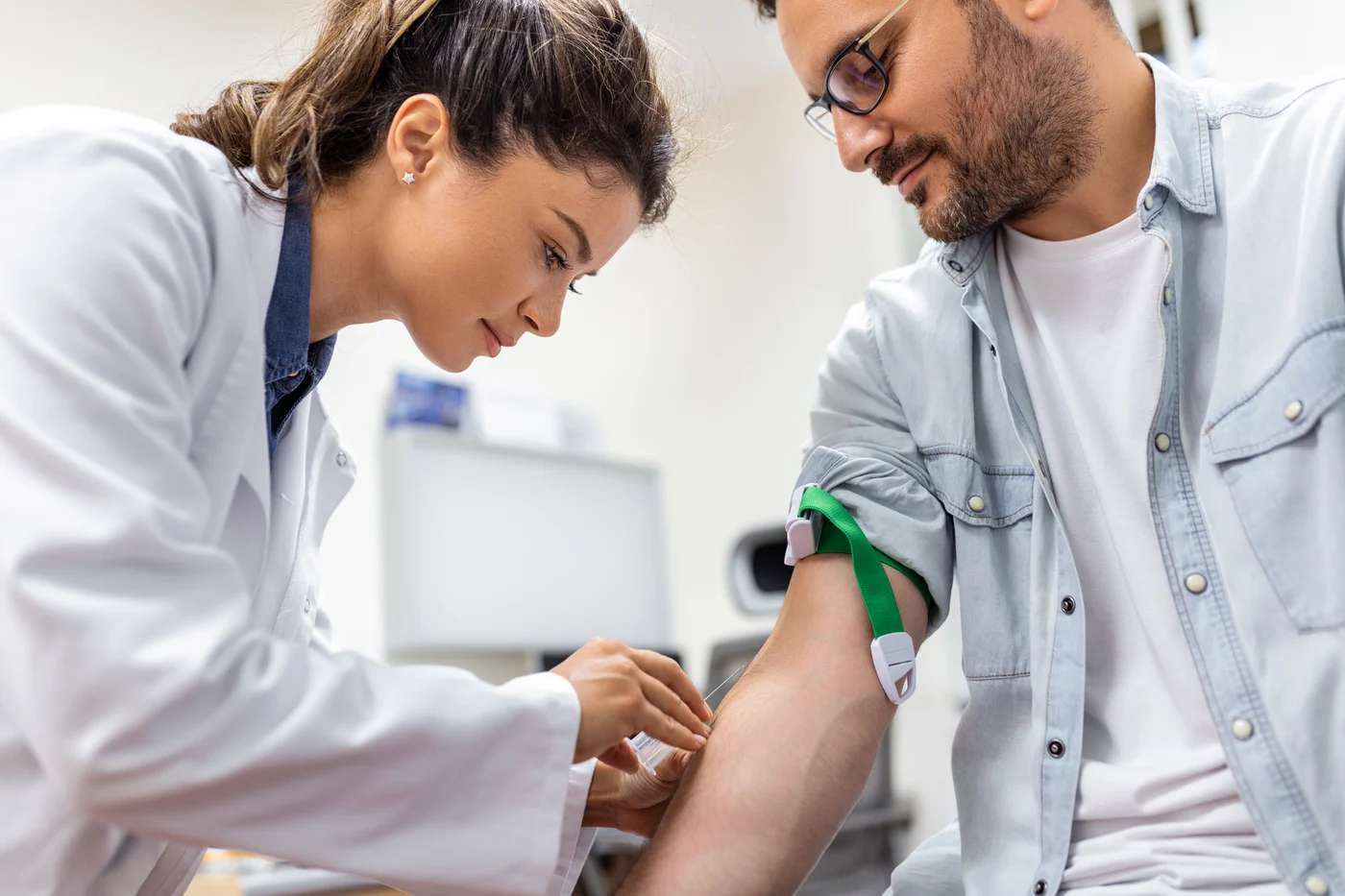
Serum tears are made from the patient's own blood. The blood is processed to separate out the serum, the clear, protein-rich component that closely resembles the natural tears the eye is supposed to produce. Unlike artificial tears, which lubricate the surface, serum tears contain many of the same growth factors, vitamins, and proteins found in natural tears, the components that actually help heal and protect the eye's surface.
Not every dry eye patient needs serum tears, and that's exactly why they're not the first option reached for. But for the right patient, they can make a meaningful difference when other treatments haven't been enough.
At Remagin, Dr. Raja and Dr. Parbhu evaluate the severity of each patient's dry eye, what's been tried already, and how the eye's surface is actually responding, so a serum tear recommendation is made only when it's genuinely the right next step, not a default one.
Why Choosing the Right Treatment Matters
Dry eye isn't a single condition with a single fix. It exists on a spectrum, from occasional irritation to significant surface damage that affects daily comfort and vision.
Some patients respond well to lubricating drops and lifestyle changes. Others need prescription anti-inflammatory drops, punctal plugs, or in-office procedures. And for a smaller group, whose dry eye is severe, persistent, or tied to an underlying condition like Sjögren's syndrome or ocular graft-versus-host disease, serum tears become an important part of the picture.
Using the wrong treatment for too long can mean unnecessary discomfort and, in some cases, ongoing damage to the eye's surface. A thoughtful treatment plan takes into account the underlying cause of dry eye, its severity, prior treatment history, and how the eye responds over time.
Serum Tear Options at Remagin
Rather than treating serum tears as a one-size-fits-all solution, Dr. Raja & Dr. Parbhu tailor the type and concentration to each patient's specific presentation and needs.
Autologous Serum Tears
Autologous serum tears are made from the patient's own blood. Because the serum comes from the patient's own body, there's no risk of an immune reaction or disease transmission, and the biological composition closely matches what the eye's own tears would naturally contain.
This option tends to be especially helpful for patients with moderate to severe dry eye that hasn't responded well to standard drops, as well as those recovering from ocular surface conditions or certain types of corneal damage.
For patients who want a highly biocompatible option built specifically around their own biology, autologous serum tears are often well worth considering.
Serum Tears vs. Traditional Artificial Tears
Traditional artificial tears work by lubricating the eye's surface, and for many patients, that's enough. Serum tears work differently. Rather than simply coating the surface, they supply many of the same growth factors and proteins found in natural tears, components that support the eye's own healing processes.
Patients often move toward serum tears when standard drops don’t seem to work, when dry eye is tied to an underlying autoimmune or inflammatory condition, or when the eye's surface shows signs of damage that needs more than lubrication to resolve.
Compared with over-the-counter options, serum tears tend to require more coordination (blood draws, compounding, and a structured dosing schedule) but can offer meaningfully more support for the right patient.
For patients who've tried the standard options without lasting relief, serum tears are often worth a closer look.

How Dr. Raja & Dr. Parbhu Help You Choose the Right Approach
The process starts with understanding what's actually happening on the surface of the eye.
A detailed dry eye evaluation, tear film assessment, and review of prior treatments all help determine whether serum tears are an appropriate next step, and if so, which type makes the most sense. But the technical side is only part of the picture.
During consultations, Drs. Raja and Parbhu ask about symptom severity, how dry eye is affecting daily life, and what's already been tried. Underlying health conditions, medication history, and how quickly a patient needs relief are all part of the conversation. The result is a treatment plan built around the individual, not a one-size-fits-all approach.
Why Choose Remagin for Serum Tears?
Expertise in Advanced Dry Eye Management: Dr. Deepak Raja is a board-certified ophthalmologist with fellowship training in cornea and external disease, focused on treating the underlying cause, not just symptoms.
Full Range of Dry Eye Treatments: Patients have access to autologous and allogeneic serum tears alongside standard and advanced therapies, so recommendations aren't tied to just one treatment.
Personalized Plans: Severity and cause vary widely for different patients. Consultations ensure patients understand the benefits and realities of serum tears before deciding.
Frequently Asked Questions About Serum Tears
For patients with moderate to severe dry eye that hasn't responded to standard treatments, serum tears can offer meaningful relief and support healing of the eye's surface. Whether they're worth pursuing depends on the severity of the condition and how well prior treatments have worked.
Autologous serum tears are made by drawing a small amount of the patient's own blood, processing it to separate the serum, and compounding it into eye drop form at a specialty pharmacy.
Response time varies by patient and underlying condition. Some notice improvement within a few weeks, while others may need a longer course of treatment. Progress is monitored closely and the plan is adjusted as needed.
Coverage varies by insurer and by the underlying diagnosis. Compounding and processing costs are often an out-of-pocket consideration. The team at Remagin is happy to walk through what to expect financially during the consultation.
Patients with moderate to severe dry eye that hasn't responded well to standard drops, as well as those with underlying conditions like Sjögren's syndrome or ocular surface disease, are often good candidates. A comprehensive evaluation helps determine whether serum tears are the right next step.
Yes. Serum tears are often used as part of a broader treatment plan that may include prescription drops, punctal plugs, or in-office procedures, depending on what the eye's surface needs.
Schedule a Dry Eye Consultation in West Orlando
Living with chronic dry eye disease can wear on daily comfort in ways that are easy to underestimate, and it's a condition that patients shouldn't have to manage alone. A comprehensive dry eye evaluation at Remagin helps patients understand every available option, from standard therapies to serum tears, and feel genuinely confident about the path forward.
To learn more about serum tears in West Orlando, call (407) 704-3937 or schedule a consultation (opens in a new tab) today.