

What Are Premium IOLs?
During cataract surgery, the eye’s cloudy natural lens is removed and replaced with an intraocular lens (IOL). Every patient receives one, and the lens chosen plays an important role in shaping visual outcomes.
Premium IOLs go beyond a standard monofocal lens. Depending on the option, they may provide vision at multiple distances, reduce or eliminate the need for glasses, correct astigmatism, or allow fine-tuning after surgery. For many patients, lens selection becomes one of the most important decisions made before surgery.
Not all premium lenses are designed for the same purpose. Some prioritize a wide range of vision, while others focus on image sharpness, nighttime clarity, or refractive precision. The right choice depends on the individual eye, lifestyle, and daily visual needs.
At Remagin, Dr. Raja takes time with each patient to evaluate both the medical picture and the lifestyle picture, so lens recommendations feel like they were made for a specific person, because they were.
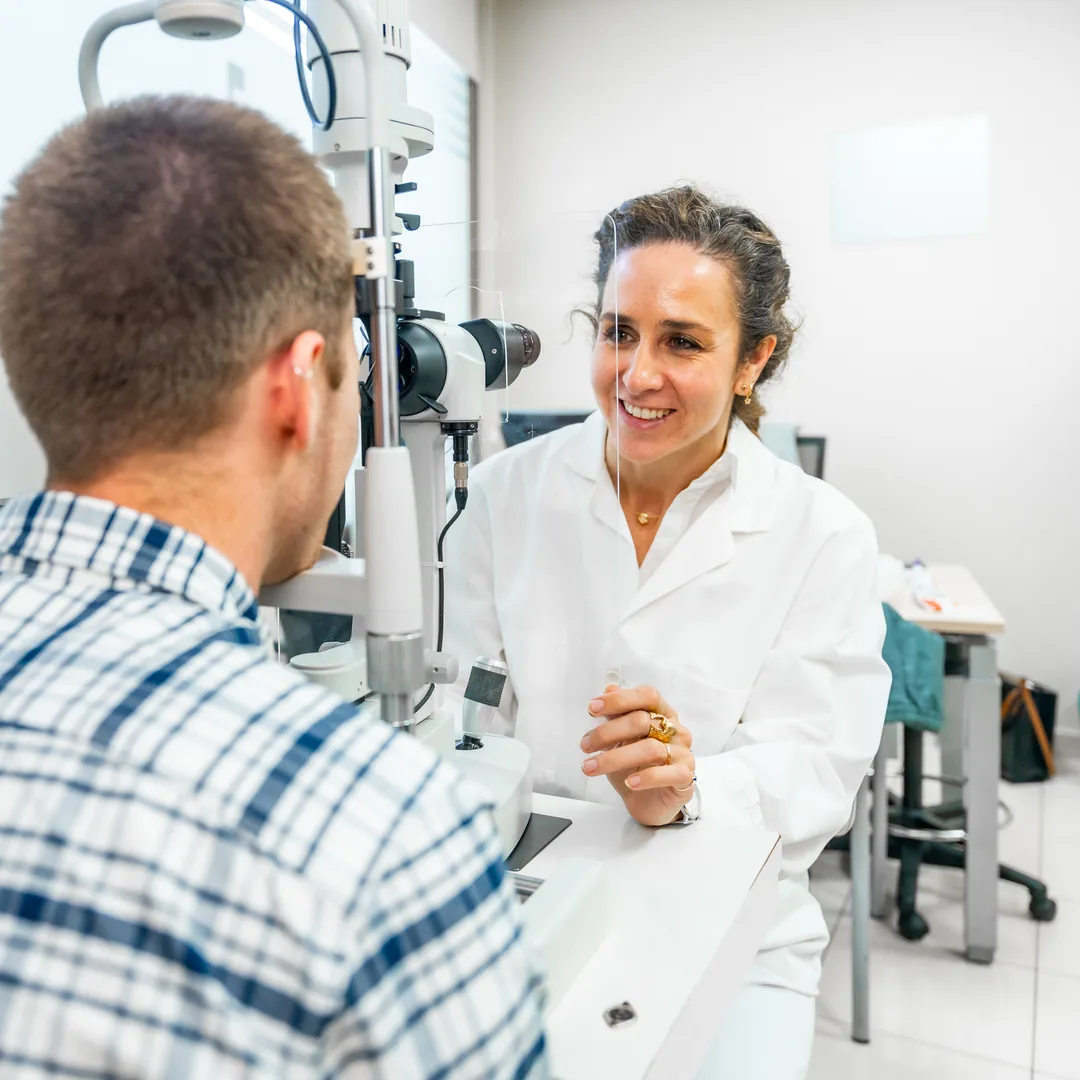
Choosing the Right Lens Matters
Cataract surgery removes the cloudy lens. Lens selection shapes what comes next.
Some patients want as much freedom from glasses as possible. Others spend most of their day reading, on a computer, or checking a phone. Some drive at night frequently. Others never do. Visual priorities vary enormously from person to person, and that means there’s rarely a “best” lens, only the right lens for a specific person.
A successful premium lens strategy takes into account lifestyle, daily visual demands, eye health, astigmatism, and any history of previous refractive surgery. The goal is a visual outcome that feels natural and supports the activities that matter most.
Premium IOL Options at Remagin
Rather than recommending a single platform, Dr. Raja offers a full range of premium lens options so recommendations are based on what’s right for each patient’s eyes and goals.
RxSight Light Adjustable Lens
The RxSight Light Adjustable Lens (LAL) is the only intraocular lens that can be adjusted after cataract surgery. Once the eye has healed, the lens power is refined through a series of specialized UV light treatments, and then permanently locked in once the result looks right.
This is especially helpful for patients who have previously had LASIK or PRK, where predicting the final prescription is often more complicated. Rather than relying entirely on pre-surgical calculations, adjustments can be made based on how the eye actually heals. It’s a level of customization that simply wasn’t available in cataract surgery until recently.
For patients who want the highest degree of refractive precision, the Light Adjustable Lens is well worth considering.
Learn MoreMultifocal IOLs
Multifocal lenses are designed to provide vision at multiple distances, helping patients see clearly up close, at arm’s length, and far away without reaching for glasses as often.
Many patients choose multifocal technology because they want more freedom for everyday activities like reading, checking a phone, shopping, or driving. It’s worth knowing that these lenses can occasionally produce halos or glare around lights, particularly at night; something Dr. Raja discusses openly during consultations so expectations are realistic going in.
For the right candidate, multifocal lenses can offer a genuinely impressive range of vision.
Learn MoreExtended Depth of Focus (EDOF) IOLs
EDOF lenses work differently from multifocal designs. Rather than creating multiple distinct focal points, they produce a continuous, extended range of focus, strong from distance through intermediate, with high-quality image clarity throughout.
Patients often appreciate EDOF technology because it strikes a balance between visual range and visual quality. Compared with some multifocal lenses, EDOF options tend to produce fewer nighttime visual disturbances while still handling computer work, dashboard displays, and most everyday tasks with ease.
For patients who want more range without giving up crispness, EDOF is often an excellent fit.
Toric IOLs
Astigmatism is one of the most common causes of blurred vision, and one of the most correctable. A toric IOL addresses astigmatism during cataract surgery itself, which can meaningfully reduce the need for glasses and sharpen visual outcomes.
Toric lenses need to be positioned at a precise angle inside the eye to work effectively, so accuracy during placement really matters. To get it right, Dr. Raja uses Zeiss Callisto image guidance technology during surgery to assist with lens alignment. Toric correction can also be combined with certain multifocal and EDOF lenses, so patients dealing with astigmatism don’t have to choose between addressing it and pursuing a broader range of vision.
Learn More
How Dr. Raja Helps You Choose the Best Premium Lens
The process starts well before surgery day.
Detailed biometry measurements, corneal analysis, astigmatism evaluation, and a thorough assessment of overall eye health all help narrow down which lens options make sense for a given patient. But the technical side is only part of the picture.
During consultations, Dr. Raja asks about lifestyle, visual priorities, and what patients are hoping for on the other side of surgery, because the right lens for someone who reads for hours each day may be quite different from the right lens for someone who prioritizes distance vision or drives frequently at night.
Previous LASIK or PRK, interest in reducing dependence on glasses, and preferences around visual range versus image quality are all part of the conversation. The result is a recommendation built around the individual, not a one-size-fits-all approach.
Why Choose Remagin for Premium IOLs?
Expertise in Advanced Cataract Surgery
Dr. Deepak Raja is a board-certified ophthalmologist with fellowship training in cornea and external disease. His approach to cataract surgery places a strong emphasis on preoperative planning, refractive accuracy, and matching lens technology to each patient’s actual visual goals, not just what looks good on paper.
Access to a Full Range of Lens Technology
Patients at Remagin have access to the RxSight Light Adjustable Lens, multifocal IOLs, EDOF IOLs, and toric IOLs. Because each technology addresses a different visual need, recommendations are based on what’s most likely to help each patient achieve the outcome they’re looking for, not a preference for any one platform.
Personalized Recommendations
No two eyes are exactly alike, and no two patients use their vision in the same way. Consultations are designed to make sure patients understand both the advantages and the tradeoffs of each lens option, so decisions are made with genuine confidence. Dr. Raja firmly believes every patient deserves an individualized plan.
See Lenses Before You Choose: SimVis Technology
Remagin is the only practice in the region offering SimVis® simulation during premium IOL consultations. Instead of only discussing differences between lenses, patients preview how each option may affect their vision in real-world scenarios, before deciding. It’s one more way Dr. Raja makes sure a lens choice feels informed, not guessed at.
Frequently Asked Questions About Premium IOLs
For many patients, yes, premium lenses can significantly reduce dependence on glasses after cataract surgery. The good news is that there are enough options now that most patients can find something well-suited to the way they live. The best fit depends on individual visual goals, lifestyle, and eye health.
There’s no single best lens for everyone, and that’s actually a good thing. It means the recommendation can be tailored to factors like astigmatism, previous eye surgery, visual priorities, and how much range of vision matters to each specific patient.
Many patients experience substantially less dependence on glasses after surgery, and some do away with them for most activities. Some patients may still prefer glasses in certain situations, something Dr. Raja discusses openly so expectations going in are realistic.
Glasses and contact lenses are an ongoing expense, one that accumulates quietly over the years. For patients weighing the additional cost of a premium lens, that longer-term picture is worth factoring into the decision.
Medicare generally covers cataract surgery and a standard monofocal lens. Premium lens upgrades typically involve additional out-of-pocket costs. The team at Remagin is happy to walk through what to expect financially during the consultation.
Yes, and certain options, including the Light Adjustable Lens, can be especially beneficial for patients with prior refractive surgery, where predicting the final prescription requires extra care.
Schedule a Premium IOL Consultation in West Orlando
Choosing the right lens is one of the most important decisions made before cataract surgery, and it’s one that patients shouldn’t have to take alone. A comprehensive consultation at Remagin helps patients understand every available option, weigh the tradeoffs, and feel genuinely confident about the path forward.
To learn more about premium IOLs in West Orlando, call (407) 704-3937 or schedule a consultation (opens in a new tab) today.