

What Is Meibomian Gland Dysfunction?
The meibomian glands, small oil glands along the eyelid margin, produce the oily layer that keeps tears from evaporating too quickly. When these glands become blocked, inflamed, or stop producing enough oil, the tear film breaks down and dry eye symptoms follow.
Meibomian gland dysfunction, or MGD, is one of the most common causes of dry eye. Patients may notice burning, grittiness, fluctuating vision, or eyelids that feel crusty or irritated, especially in the morning.
Because MGD is a structural and functional problem with the glands themselves, lubricating drops alone rarely solve it. Treating the underlying gland dysfunction is usually what actually improves symptoms long term.
At Remagin, Dr. Raja evaluates the health and function of the meibomian glands directly, so treatment targets the actual cause rather than just masking symptoms.
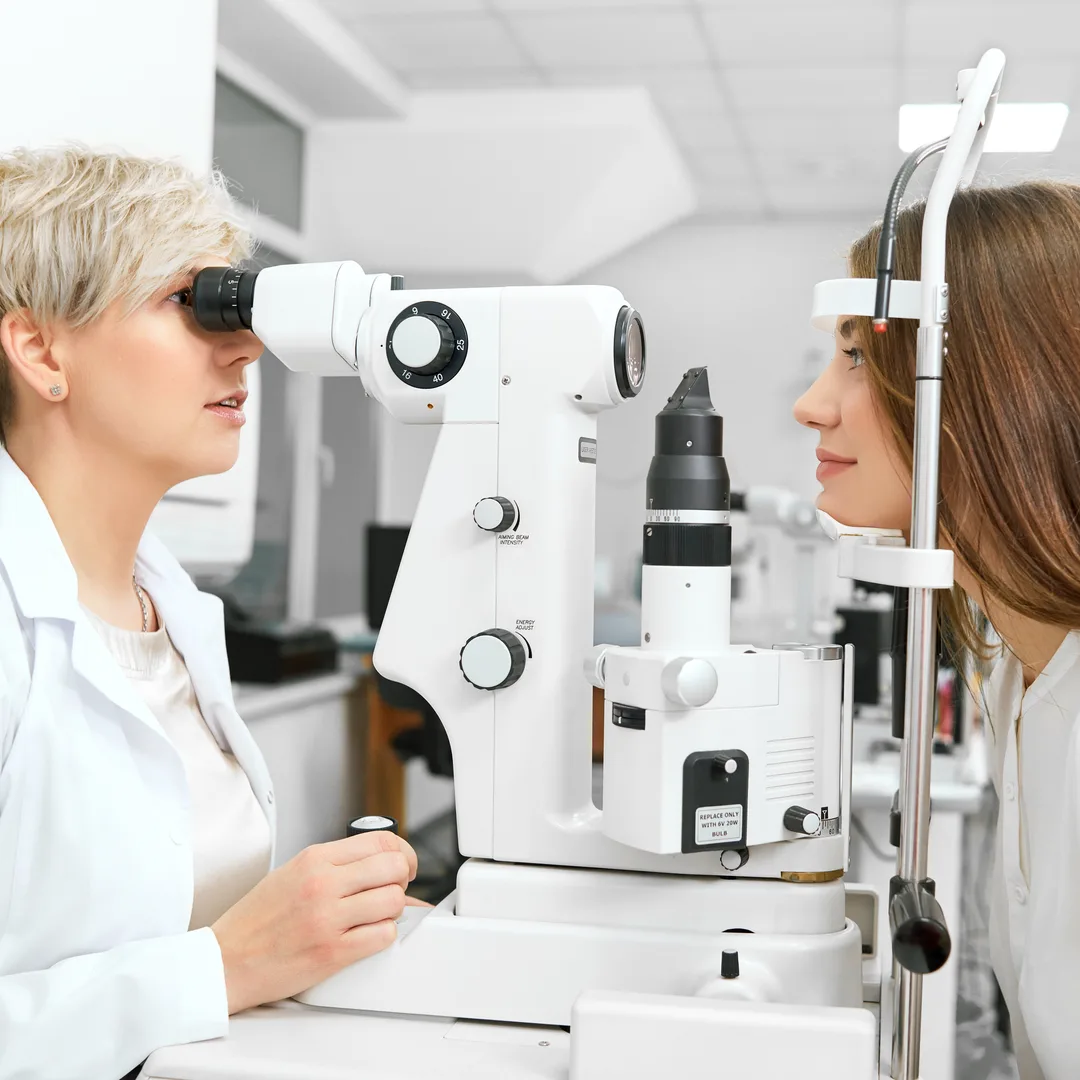
Why Diagnosing MGD Correctly Matters
Not all dry eye is the same, and MGD often gets mistaken for simple dryness or allergies. Patients may cycle through artificial tears and allergy drops for months without real improvement because the glands themselves are never addressed.
Left untreated, MGD tends to progress. Glands that go too long without proper function can become permanently blocked or atrophy, making future treatment less effective. Identifying MGD early, and treating it appropriately, gives patients a much better chance at lasting relief.
A proper evaluation looks at gland structure, oil quality, and how much gland tissue is still functioning, so treatment is matched to how advanced the condition actually is.
MGD Treatment Options at Remagin
Thermal Pulsation Devices
These devices apply controlled heat and gentle pulsation directly to the eyelids to liquefy blocked oils and clear the glands more thoroughly than manual expression alone. Many patients appreciate that it's a single in-office treatment with effects that can last months. It tends to work best for patients whose glands are blocked but still structurally intact.
Intense Pulsed Light (IPL) Therapy
IPL uses targeted light pulses to reduce inflammation around the eyelids and improve gland function over a series of sessions. It's particularly helpful for patients with a rosacea component to their MGD.
Meibomian Gland Probing
For glands that are rigidly blocked and don't respond well to heat or expression alone, a fine probe can be used to physically clear the obstruction. This is often reserved for more advanced or stubborn cases where other treatments haven't fully restored gland function. Many patients notice relief soon after the blockage is cleared, since it directly addresses glands that were otherwise unable to release oil at all.
Eyelid Hygiene and At-Home Care
For milder cases, or as a maintenance step after in-office treatment, warm compresses, and omega-3 supplementation can help keep glands functioning and symptoms in check. This is rarely a stand-alone fix for moderate to severe MGD, but it plays an important supporting role in almost every treatment plan.

How Dr. Raja Helps You Choose the Right Approach
Treatment starts with a detailed look at the glands themselves, imaging to assess how much gland tissue remains, how blocked the glands are, and how the tear film is responding.
Dr. Raja also asks about symptom duration, prior treatments, and any related skin conditions like rosacea, since the treatment for early-stage MGD looks very different from the treatment for advanced gland loss. The result is a plan matched to what the glands can still do, not a generic regimen.
Why Choose Remagin for MGD Treatment?
Expertise in Ocular Surface Disease: Dr. Deepak Raja is a board-certified ophthalmologist with fellowship training in cornea and external disease, with a focus on identifying and treating the root cause of dry eye rather than managing symptoms alone. Dr. Keshini Parbhu, an oculoplastics specialist, adds unique insight into IPL and TriLift, technologies also used for aesthetic treatment.
Access to Advanced Diagnostic and Treatment Technology: Patients at Remagin have access to gland imaging, thermal pulsation devices, and IPL therapy, so treatment can be matched precisely to how advanced the condition is.
Personalized, Staged Treatment Plans: MGD ranges from mild to severe, and treatment plans are built to match, often starting conservatively and escalating only if needed.
Frequently Asked Questions About MGD
MGD is one of the most common causes of dry eye, but not the only one. A proper evaluation determines whether gland dysfunction is the primary driver of symptoms.
Through a focused evaluation of the eyelids and glands, often including imaging to assess how much functional gland tissue remains.
Coverage varies by treatment type and insurer. The team at Remagin can walk through expected costs during consultation.
It depends on severity. Some patients improve with one or two in-office sessions, while more advanced cases may need an ongoing maintenance plan.
Yes, MGD is often a chronic condition that benefits from ongoing maintenance, including at-home care, even after successful in-office treatment.
Schedule an MGD Evaluation in West Orlando
Meibomian gland dysfunction is treatable, but it rarely resolves on its own. A focused evaluation at Remagin identifies exactly what's happening with the glands and builds a treatment plan around it.
To learn more about MGD treatment in West Orlando, call (407) 704-3937 or schedule a consultation (opens in a new tab) today.