

Your Questions about Cataract Surgery, Answered
Preparing for cataract surgery comes with a lot of questions. From understanding lens options to knowing what recovery actually looks like day to day, patients deserve clear, honest answers before they step into the operating room. This page covers the questions we hear most often from patients considering cataract surgery in West Orlando.
If something is not covered here, the team at Remagin is glad to help. Call (407) 704-3937 and we will make sure you have everything you need to feel confident about your next step.
Getting Started with Cataract Surgery
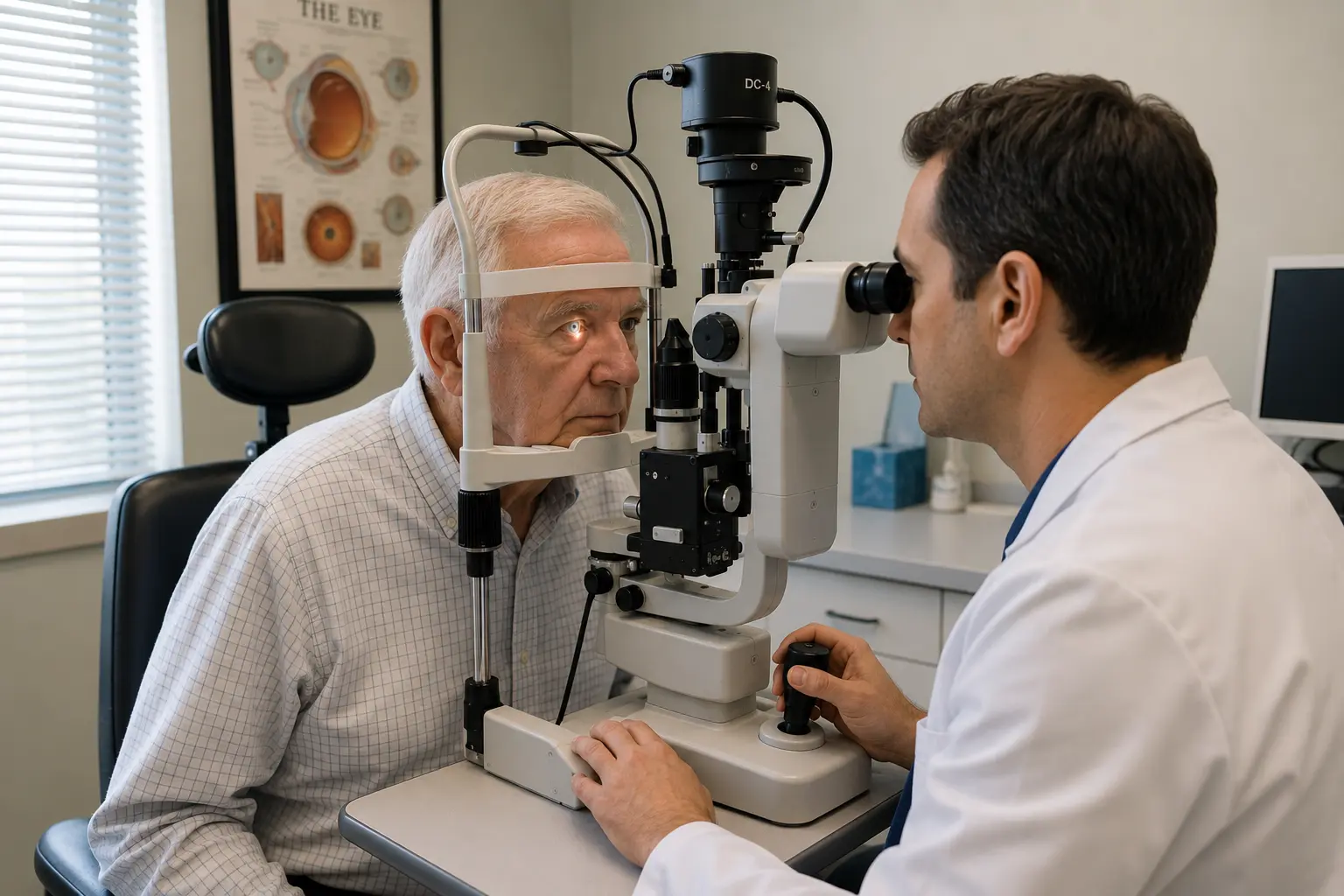
Most people become candidates when cloudy vision starts interfering with everyday life, whether that is reading, driving, using digital devices, or enjoying hobbies. The decision is not based solely on the presence of a cataract. It is based on how much that cataract is affecting quality of life. A comprehensive eye exam helps determine whether surgery is the most appropriate next step.
Cataracts often develop gradually, which means many people do not notice the changes right away. Common signs include blurry or dim vision, increased glare from headlights, halos around lights, difficulty seeing at night, and colors that look faded or washed out. A dilated eye exam can confirm whether cataracts are behind those changes.
Cataracts are most commonly associated with aging and tend to develop after age 60, but there is no specific age requirement for surgery. Some people need treatment earlier, others not until much later. Timing depends on how significantly the cataract is affecting daily life and visual function, not the number on a calendar.
No referral is needed. Patients can schedule a cataract evaluation directly. Whether vision changes have just started or a previous provider has already mentioned cataracts, an evaluation can clarify the options and whether treatment makes sense.
What to Expect on the Day of Surgery
Cataract surgery is one of the most commonly performed surgical procedures in the world and has an excellent safety record. Like any surgery, there are potential risks, but serious complications are uncommon. During a consultation, Dr. Raja will review eye health, discuss any individual risk factors, and walk through what to expect before, during, and after the procedure.
The surgery itself typically takes about 15 to 20 minutes per eye. Patients should plan to spend a few hours at the surgical facility overall, to allow time for preparation, check-in, and a brief recovery period before heading home.
Yes. Most patients remain awake during cataract surgery, but the eye is numbed so the procedure stays comfortable throughout. Many people are genuinely surprised by how relaxed they feel.
Cataract surgery is typically performed on one eye at a time. Once the first eye has healed and vision is stable, the second procedure is scheduled. This approach helps ensure the best possible outcome for each eye individually.
Lens Options & Your Vision After Surgery
That depends largely on the lens selected. Standard monofocal lenses are designed to provide clear vision at a single distance. Premium lens options can reduce dependence on glasses across multiple activities. Lens choice plays a real role in shaping what vision feels like after surgery, which is why the conversation around it matters so much.
Premium intraocular lenses offer capabilities beyond what a standard lens provides. Depending on the technology, they may improve vision at multiple distances, correct astigmatism, or allow for customization after surgery. Whether a premium lens is worth it depends on lifestyle, visual priorities, and what matters most after cataract surgery. Dr. Raja walks through the options during consultations so decisions are made with genuine confidence.
The RxSight Light Adjustable Lens is the only intraocular lens that can be adjusted after cataract surgery. Once the eye has healed, a series of specialized light treatments refine vision before the lens is permanently locked in. This means adjustments are based on actual visual results, not preoperative estimates alone. It is a level of customization that was not available in cataract surgery until recently. Patients who want clarity and range without extra light treatments may prefer the PureSee IOL, another premium option at Remagin.
Intraocular lenses are designed to last a lifetime. They do not wear out and typically do not need to be replaced. Once implanted, the lens stays in place permanently under normal circumstances.
Healing & Recovery
Recovery is usually straightforward. Vision often begins improving within the first few days, though complete healing takes longer. Prescription eye drops help support the healing process and protect the eye during recovery. Most patients are able to return to many normal activities relatively quickly.
Driving should be avoided until vision has been evaluated at a postoperative visit and clearance has been given. Many patients receive that clearance within a day or two after surgery, though timing can vary depending on how healing progresses.
For the first few weeks after surgery, patients are generally advised to avoid rubbing their eyes, swimming, heavy lifting, and strenuous physical activity. Following postoperative instructions carefully helps support proper healing and reduces the risk of complications.
Understanding Insurance & Costs
Yes. Medicare Part B generally covers medically necessary cataract surgery as well as a standard monofocal lens implant. Patients are still responsible for applicable deductibles, copayments, and any costs associated with premium upgrades.
The cost of a premium lens varies depending on the technology selected. Multifocal, toric, and Light Adjustable Lens options each come with different pricing. During a consultation, patients receive detailed information about costs and any available financing options.
Insurance typically covers the cataract surgery itself and a standard lens. The additional cost associated with the RxSight Light Adjustable Lens is generally considered an elective upgrade and is not covered by Medicare or most insurance plans. Financing options may be available, and the team at Remagin is happy to discuss what makes sense for each patient's situation.
Yes. Remagin accepts CareCredit as a financing option for premium lens upgrades, making it easier to manage the out-of-pocket costs associated with advanced IOL technology. For patients who want to explore a premium lens but have questions about the financial side, the team at Remagin is happy to walk you through your options.
Still Have Questions? We're Here to Help.
Choosing cataract surgery is an important decision, and having the right information makes the whole process feel a lot more manageable. Whether the questions are about lens options, recovery, insurance, or simply what to expect, the Remagin team is here.
Call (407) 704-3937 or request an appointment (opens in a new tab) to speak with a member of the team.